Caring for Advanced Liver Disease at Home: 3 Daily Checks That Can Save Lives
Caring for someone with advanced liver disease can feel overwhelming. While hospital visits and doctor consultations are important, the real care happens at home—every single day.
If your loved one has decompensated cirrhosis, small daily observations can prevent serious complications and even emergency hospital visits.
Here are 3 simple things every caregiver should track daily
1. Daily Weight Tracking
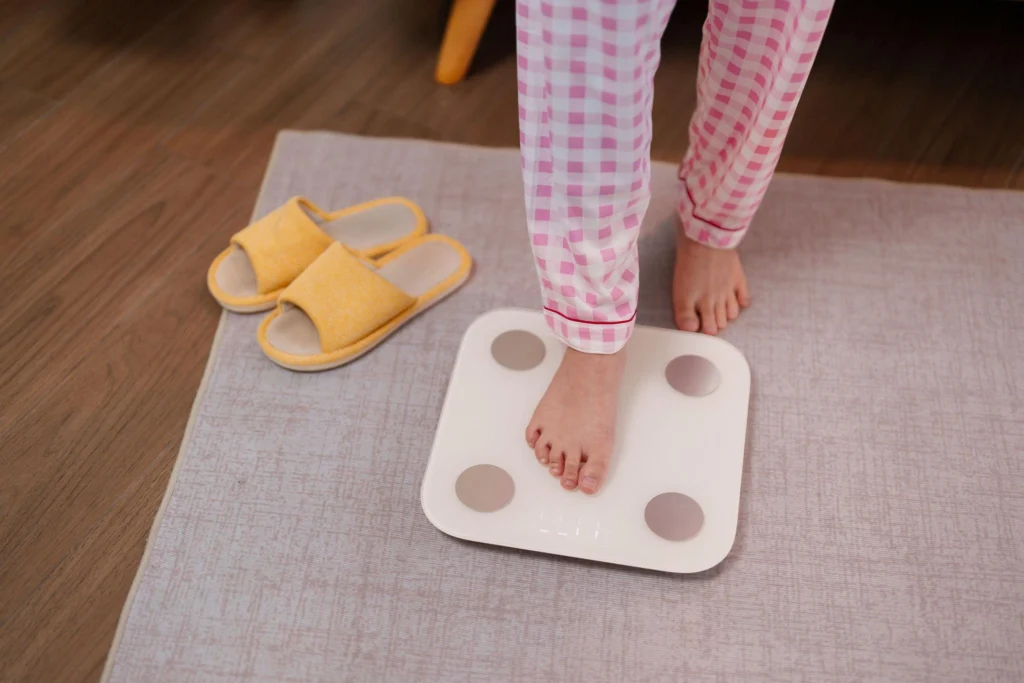


A sudden increase in weight is usually not fat — it’s fluid retention.
Why this matters:
In liver disease, fluid can build up in:
- The abdomen (ascites)
- The legs and feet (edema)
What to watch:
- Daily weight increase of >1 kg in 1–2 days is a warning sign
- Tight clothes or increasing abdominal size
What it tells you:
- Whether the low-salt diet is working
- If diuretic medications need adjustment
Goal:
- Stable weight OR
- Gradual reduction if fluid is present
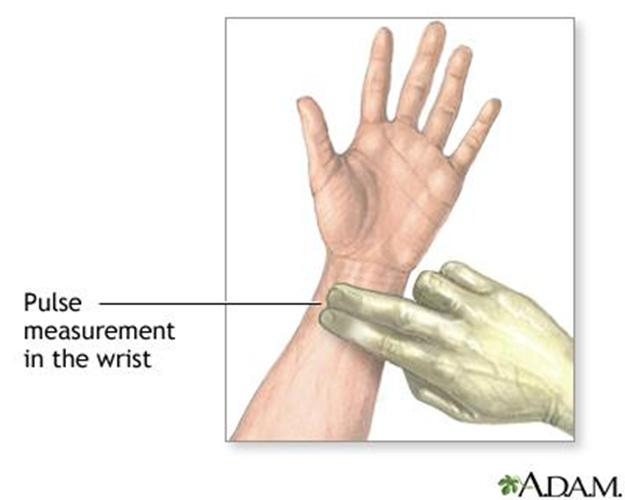
2. Pulse & Blood Pressure Monitoring

- Beta blockers
- Diuretics
- Reduce kidney function
- Cause dizziness or fainting
- Lead to reduced urine output
- Very low BP (e.g., <90/60 mmHg)
- Weak pulse
- Increased fatigue or confusion
- Check BP and pulse daily at the same time
- Maintain a simple logbook
3. Stool Frequency & Consistency

This is one of the most overlooked but critical factors.
The Connection
In liver disease:
- Toxins like ammonia build up
- This can affect the brain → hepatic encephalopathy
Symptoms of Rising Ammonia
- Confusion
- Drowsiness
- Personality changes
- Disorientation
The Strategy
Doctors prescribe medications like Lactulose
Goal
- 2–3 soft stools per day
Why Monitoring Helps
- Too few stools → toxin buildup
- Too many → dehydration
Caregivers can adjust the dose (as advised by doctor) to keep the balance.
Final Thought: Small Checks, Big Impact
Managing advanced liver disease at home is about consistency, not complexity.
By simply tracking:
- Weight
- Blood pressure
- Bowel movements
You can:
- Detect early warning signs
- Prevent complications
- Reduce emergency hospital visits
When to Contact Your Doctor Immediately
- Sudden weight gain (>2 kg in 2–3 days)
- Severe swelling or breathlessness
- Very low BP or dizziness
- Confusion or unusual behavior
- No bowel movement for 2 days
Caregiver Reminder
You are the first line of defense in your loved one’s care.
Your daily observations matter more than you think.